Your Self-concept Generates Everything: Wealth, Abundance, Love, Relationships...
The Wealth Gap No One Talks About: Why Identity, Not Hard Work, Creates Millionaires
Discover the hidden truth behind wealth creation: it’s not just about money, strategy, or luck—it’s about identity. In this thought-provoking article, we reveal The Wealth Gap no one talks about: why identity creates millionaires. Learn why your self-concept, emotional identity, and wealth mindset determine your financial destiny more than hard work alone. If you’ve ever felt trapped by scarcity thinking or sabotaged by unconscious money blocks, this post will challenge your beliefs and show you how to build a wealth identity that attracts abundance.
Tal
8/29/20255 min read
The Wealth Gap No One Talks About: Why Identity, Not Hard Work, Creates Millionaires
For generations, we’ve been told that the formula for wealth is simple: work hard, stay disciplined, and your rewards will come. But if that were true, the hardest workers in the world—teachers, nurses, laborers, single parents juggling two jobs—would be millionaires. They aren’t.
Meanwhile, countless millionaires (and billionaires) didn’t “out-hustle” everyone else. Some worked fewer hours, had less formal education, and even made huge mistakes along the way—yet still found their way to lasting wealth.
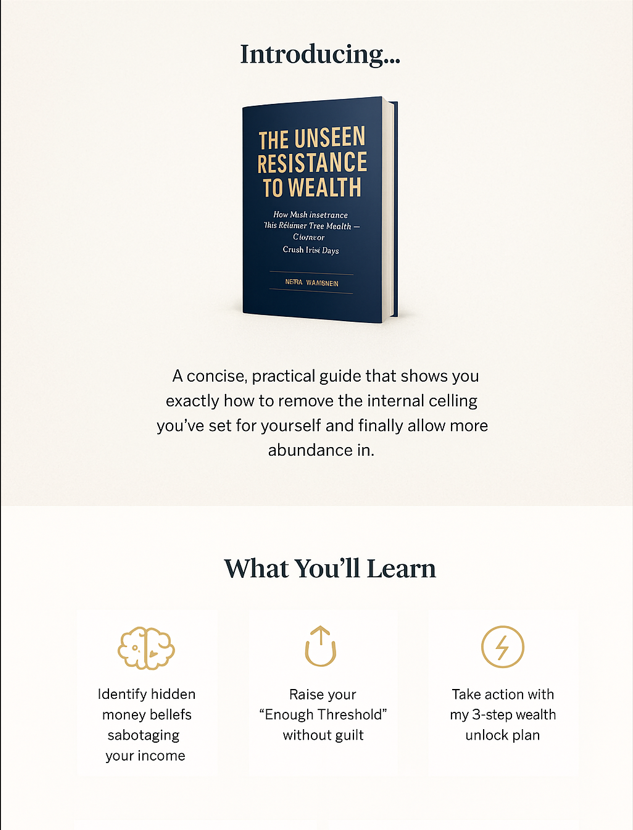
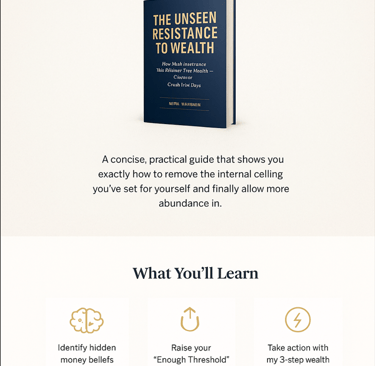
So, what explains this invisible wealth gap? Learn more with "The Unseen Resistance to Wealth"
It isn’t just about opportunity. It isn’t just about strategy. And it isn’t even just about mindset.
It’s about identity.
Millionaires don’t just “want” money. They view themselves as individuals who create, attract, and multiply money. Their wealth is a natural extension of who they believe themselves to be.
And until you shift your identity, no amount of hustle will change your financial destiny.
Society glorifies hard work because it’s easy to measure hours on the clock. Sweat on the forehead to justify the hustle that can be broadcast on social media.
But wealth creation is not an endurance contest. If it were, we’d all have equal chances at millionaire status.
The truth is uncomfortable:
1. Millions of people work themselves to exhaustion but never escape paycheck-to-paycheck living.
2. Many entrepreneurs burn out chasing strategies and tactics, but stay stuck at the same income ceiling.
3. And some people quietly build wealth not by “working harder,” but by operating from a wealth-based identity.
In other words, wealth is identity before it is strategy.
What is wealth identity?
Your self-concept—the way you unconsciously see yourself—dictates how you act, what you tolerate, and what level of success you believe you deserve.
If your self-concept is rooted in scarcity, fear, or “just surviving,” then even when opportunities appear, you will unconsciously sabotage them. This is what psychologists call self-sabotage through identity conflict.
By contrast, a wealth identity works like an internal compass:
It pushes you to see and act on opportunities others overlook.
It helps you feel comfortable asking for more, charging more, or expecting more.
It rewires your tolerance for abundance—you stop rejecting wealth because it doesn’t “fit” who you are.
In short, you stop chasing money and start aligning with it.
How identity creates millionaires (and keeps others poor)?
1. Beliefs Become Behaviors
If you believe “money is hard to earn,” you’ll act in ways that reinforce that belief—choosing jobs, strategies, and decisions that require endless grind. But if you believe “wealth flows to me through value,” you’ll naturally seek leverage, smarter opportunities, and partnerships that multiply your income.
2. Self-worth sets income ceilings
Your financial thermostat is tied to your identity. Someone who secretly believes they’re only worth $50,000 a year will subconsciously repel opportunities for $100,000 or more—because it feels unsafe to their self-concept. Millionaires simply reset that thermostat higher.
3. Identity shapes habits without effort
Most people force habits—budgeting, networking, investing—as if they’re external obligations. But when your identity is aligned with wealth, those habits are automatic. A millionaire doesn’t have to try to think big, invest wisely, or expand their vision; it’s who they are.
4. Scarcity identity creates survival loops
Those who identify as “strugglers” or “underdogs” often unconsciously recreate crises because struggle validates who they believe themselves to be. This is why some people sabotage when money finally arrives—they’re addicted to the struggle because it matches their identity.
Here’s the uncomfortable truth: the wealth gap isn’t just economic—it’s psychological.
Two people can start with similar resources, but one rises while the other stagnates, not because of luck, but because of identity.
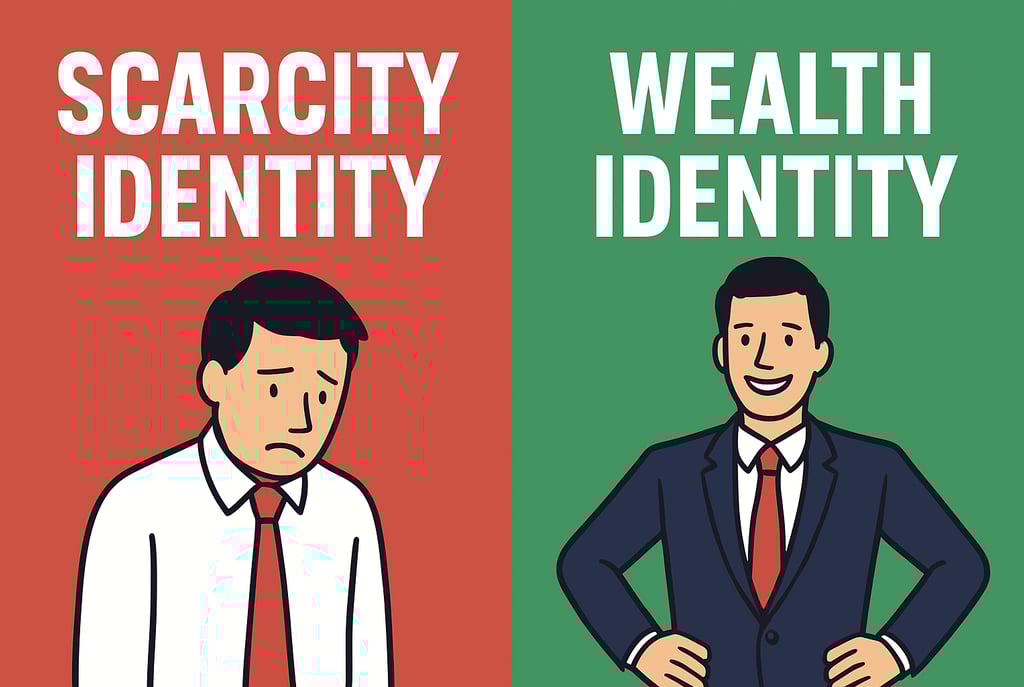
Scarcity Identity:
“I’ll never have enough.”
“Money is for them, not for people like me. So is comfort and ease”
“I have to sacrifice everything to deserve wealth.”
Result: Chronic self-sabotage, exhaustion, and limited financial ceilings.
Wealth Identity:
“Wealth is who I am.”
“I deserve abundance as much as anyone else.”
“Money is a tool I use, not a master I serve.”
Result: Expanded opportunities, natural attraction of resources, aligned decisions that multiply results.
This is the gap no one talks about. Not the gap between the 1% and the 99%, but between those who live from scarcity identity and those who embody wealth identity.
Why does changing identity feel so hard?
If identity is the key, why doesn’t everyone change it overnight? Because identity is sticky. It’s tied to:
Childhood conditioning (“We can’t afford that.”)
Emotional trauma (shame, fear, guilt around money).
Cultural narratives (“Rich people are greedy.”)
Peer groups that normalize struggle.
Your identity is defended by your subconscious because change feels unsafe—even if it leads to freedom. That’s why millions stay stuck in scarcity despite endless personal development efforts.
The process of identity shift
Shifting your identity isn’t about affirmations or pretending. It’s about a deep, conscious transformation of how you see yourself. Here are the first steps:
1. Awareness of blocks
Recognize the beliefs and emotional identities you carry: shame, fear of judgment, pride in struggle. Awareness is the first crack in the armor.
2. Detach self-worth from struggle
Stop glorifying hardship as proof of value. Millionaires don’t equate exhaustion with worthiness.
3. Practice wealth behaviors early
Before results show up, embody the behaviors of someone who manages, invests, and multiplies wealth. Identity shifts by doing.
4. Surround yourself with “wealth norms”
Identity adapts to the environment. Being around those who normalize abundance rewires what feels possible.
5. Rebuild the self-concept
Ask: Who am I when wealth is natural to me? What does that version of me tolerate, demand, and expect? Then start living as that person today.
6. Don’t go back
You have to live according to your new self-concept long enough to see changes in your life, no matter your circumstances, which is a mental decision.
Conclusion
If you don’t change your identity, you can read every book, grind every hour, chase every strategy—and still stay broke.
It isn’t just about what you do. It’s about who you are being.
Until you upgrade that identity, wealth will always feel out of reach.
This is exactly why I wrote my e-book: to help you expose the hidden money blocks, unconscious beliefs, and toxic self-concept that quietly sabotage wealth.
If you’ve ever wondered why your hard work hasn’t translated into financial freedom, this is your missing link.
Get the e-book here — and begin building the wealth identity that naturally attracts abundance, instead of chasing it.
Because the gap between scarcity and wealth isn’t measured in hours worked—it’s measured in identity.
Why me? vs This will be good for me again
theworld@inwithin.me
© 2025. All rights reserved.