Your Self-concept Generates Everything: Wealth, Abundance, Love, Relationships...
Self-Worth Integration: The Bridge Between Identity and Reality Creation
2/10/20265 min read


Understanding Self-Worth Integration
Self-worth integration is a pivotal concept that reflects the alignment between individuals' perceptions of their self-worth and their overarching identity. At its core, self-worth integration entails the seamless blending of self-esteem with personal values and beliefs, influencing how individuals regard themselves and their roles within the broader context of society. This psychological framework not only contributes to the formation of identity but also plays a significant role in shaping one's behaviors, choices, and interactions with others.
Historically, the origins of self-worth integration can be traced to various psychological theories, including Maslow's hierarchy of needs, which posits that self-esteem is foundational to achieving higher levels of personal fulfillment. In a similar vein, the concept of self-acceptance highlights the importance of recognizing and embracing one's inherent value, regardless of external validation. As individuals embark on personal growth journeys, the integration of self-worth becomes increasingly vital, facilitating a balanced and authentic sense of self.
Self-worth integration is further substantiated by theories of cognitive dissonance, which suggest that when there is a disparity between an individual's beliefs and their actions, discomfort arises, prompting efforts to reconcile these differences. This reconciliation process often leads individuals to reassess their self-worth, ultimately strengthening their identity. A well-integrated sense of self-worth empowers individuals to navigate challenges with resilience and self-assuredness, guiding their decisions in ways that reflect their true values and aspirations.
By delving into the intricacies of self-worth integration, individuals can cultivate a healthier self-image, fostering a more authentic engagement with themselves and their environment. This understanding not only enhances personal well-being but also contributes to the overall quality of interpersonal relationships and societal interactions.
The Connection Between Identity and Reality Creation
The relationship between identity and reality creation is pivotal in understanding how individuals navigate their experiences and opportunities within the world. At its core, identity comprises the beliefs and perceptions one holds about oneself, which significantly influence how they perceive external situations and possibilities. An individual’s self-concept shapes their understanding of what is achievable, determining their responses to various life challenges and opportunities.
One fundamental principle relating to this connection is the concept of self-fulfilling prophecies, which posits that what individuals believe about themselves often manifests in their reality. For instance, if a person identifies as unsuccessful, they may unconsciously engage in behaviors that reinforce that belief, thus perpetuating a cycle of limitation. Conversely, a strong sense of self-worth can lead to proactive behaviors and enhanced resilience, aiding in the achievement of personal goals.
Additionally, identity affects the extent to which individuals can envision their future. Those who see themselves as capable and deserving of success are more likely to pursue opportunities that align with this belief. Practical examples abound, such as individuals who, despite lacking formal qualifications, achieve advancement in their careers due to their confidence and the perceived value they place on their experiences and skills.
The role of beliefs in shaping personal experiences cannot be overstated. Cognitive frameworks inform how individuals interpret events and outcomes, leading them to either embrace or shy away from new ventures. In this way, identity is not merely a reflection of who one is but a powerful determinant of what one believes is possible, shaping a unique reality based on the perceptions held.
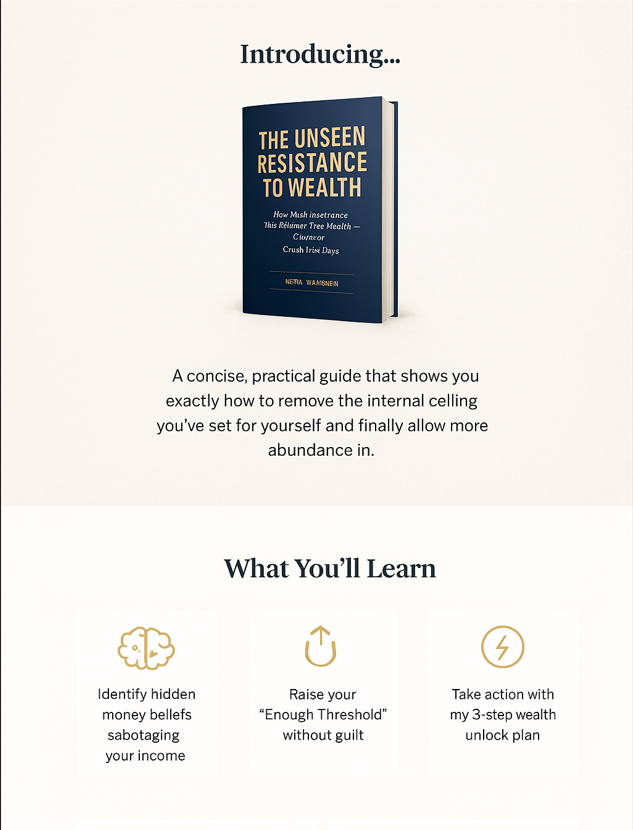
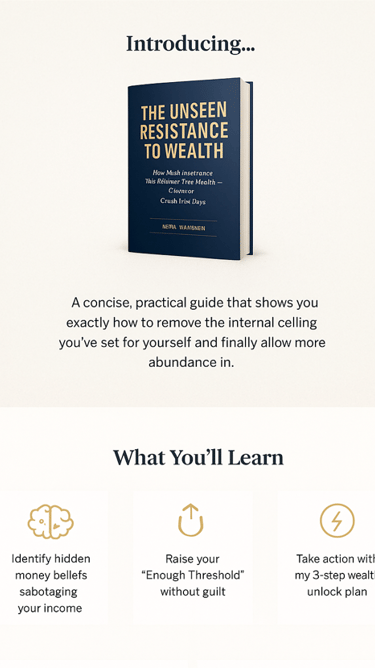
If this post woke something inside you, the eBook will take you deeper.
Grab your copy here, and stop wasting years you’ll never get back.
Bridging the Gap: How Self-Worth Integration Affects Identity Formation
The concept of self-worth integration plays a crucial role in shaping one's identity. When individuals cultivate a grounded sense of self-worth, they create a more cohesive identity, allowing them to navigate their lives with confidence and purpose. This integration can happen through various practical strategies that enhance self-awareness and encourage personal growth.
One effective method for fostering self-worth is through self-reflection exercises. Taking time to evaluate personal values, accomplishments, and challenges can provide individuals with insights into their unique attributes. By identifying strengths and areas for improvement, a person begins to appreciate their worth more deeply. Journaling is a powerful tool in this process, as it allows reflections to be documented and revisited over time, aiding individuals in recognizing their evolving identity.
Affirmations serve as another impactful technique for integrating self-worth into daily life. Positive affirmations can help replace negative thoughts and self-doubt with empowering beliefs. By consistently repeating affirmations that resonate with one’s identity, individuals reinforce their sense of self-worth. For example, saying, "I am capable and deserving of success," can shift perspectives and enhance self-esteem, laying the groundwork for a stronger and more resilient identity.
Mindset shifts are also essential in bridging the gap between self-worth and identity. Adopting a growth mindset encourages individuals to view challenges as opportunities for learning rather than reflections of their inadequacies. This reorientation enables people to embrace their imperfections while acknowledging their inherent value. A case study highlighting an individual who successfully integrated self-worth through these strategies can illustrate the profound changes that may occur in one's identity over time.
Through these actionable steps—self-reflection exercises, affirmations, and nurturing a growth mindset—individuals can effectively integrate their self-worth into their identity. Ultimately, a well-rounded understanding of self-worth fosters a strong, coherent identity that withstands the challenges of life.
Creating Your Reality Through Enhanced Self-Worth
Enhancing self-worth is a pivotal aspect of shaping one’s reality and pursuing meaningful aspirations. Individuals who possess a strong sense of self-worth tend to approach their goals with confidence and conviction. This internal belief serves as a foundation for taking action toward desired outcomes, enabling individuals to manifest their dreams into reality. When one truly values oneself, the likelihood of overcoming obstacles and pursuing aspirations increases significantly.
To actively create your reality, it is essential to engage in practices that reinforce your self-worth. Visualization techniques, for instance, are highly effective in this context. By vividly imagining the fulfillment of your goals and the emotions associated with that success, you create a mental framework that aligns with your aspirations. Regularly visualizing your desired reality not only strengthens your belief in yourself but also fosters a mindset conducive to achievement.
Goal-setting strategies can further bolster your journey toward realizing your reality. Establishing clear, attainable goals that resonate with your values allows you to create a roadmap toward success. By breaking down larger objectives into smaller, manageable tasks, you can maintain a sense of progress, which contributes positively to your self-esteem. Celebrate each accomplishment, no matter how small, as it reinforces your belief in your abilities and your self-worth.
It is crucial to recognize the barriers that can impede self-worth, such as negative self-talk or past failures. Overcoming these challenges requires resilience and a commitment to personal growth. Developing a positive internal dialogue, seeking feedback, and surrounding yourself with supportive individuals can facilitate this process. Embracing setbacks as opportunities for learning rather than reflections of your worth allows for a healthier, more constructive perspective on your journey.
Related articles:
Charisma, Character, and Personal Magnetism: Which One Do You Need?
I Thought Working Hard Was Hard — Until I Started Feeling My Feelings and Being Present
Would You Ask Your Worst Enemy for Help to Move Towards Your Goals?
7 Lessons from Wealthy People on Handling Failure with their Self-Concept
The Roadmap to Wealth and Fulfillment: Mastering Polarity, Awareness, and Inner Battles
The Wealth Gap No One Talks About: Why Identity, Not Hard Work, Creates Millionaires
Why Your Self-Concept is Your Net Worth: The Hidden Psychology of Wealth Creation
How I Broke 13 Years of Money Blocks (And Why Most People Never Will)
theworld@inwithin.me
© 2025. All rights reserved.