Your Self-concept Generates Everything: Wealth, Abundance, Love, Relationships...

The Quiet Ways People Show You You're Not a Priority
People Never Said You Didn't Matter. They Just Acted Like It. The quiet, undramatic ways someone shows you your place
Tal
5/20/20263 min read


Nobody announced it. There was no conversation, no confession, no moment where they looked at you and said: " You are not where I place my best energy anymore.
It happened in the silences. In the specific quality of their attention when you were together, present enough to pass for connection, absent enough that you left feeling vaguely hollow and could not explain why.
The quiet ways are the most expensive ways, because they give you nothing to point to. Nothing dramatic enough to justify the grief you feel about losing something that, technically, nobody said was gone.
Constantly being deprioritized erodes self-worth, fostering feelings of inadequacy, increased anxiety about where you stand, emotional exhaustion from investing in someone who doesn't reciprocate, and over time, difficulty trusting new relationships entirely.
Notice the sequence. It does not begin with distrust of others. It begins with the erosion of self-worth — the slow, cumulative effect of being treated as optional by someone whose opinion of you carries weight. You begin to wonder not whether they have changed, but whether you were always this easy to set aside. Whether something about you makes people comfortable treating you as a convenience rather than a consideration.
This is the psychological cost that nobody discusses when they talk about being deprioritized. It is not only the loneliness of feeling unseen by someone specific. It is the way that loneliness rewrites your self-concept — quietly, incrementally, in the specific handwriting of every unanswered message, every plan that mattered to you and was casual to them, every moment you compressed your need to fit inside their availability.
When we feel prioritized, it fosters a sense of security and belonging. Conversely, when we are treated as an option, it can trigger feelings of abandonment, and someone with an anxious attachment style may constantly seek reassurance and validation, leading them to overlook the signs entirely.
This is the cruelest part of the quiet demotion. The person experiencing it is often the last to name it because naming it requires trusting their own perception over the other person's plausible deniability. They were just busy. They have a lot going on. You are being too sensitive. The gaslighting does not always come from the other person. Sometimes it comes from your own need to believe that the relationship is still what it was.
Here is the thing worth sitting with honestly: if you are someone who is often in this pattern, you probably spend a lot of time focusing on other people and their needs and their convenience — and in the process, you probably deprioritize yourself as well.
The person who accepts being treated as optional has usually been practicing self-abandonment long before anyone else joined the exercise. The tolerance for being deprioritized does not arrive from nowhere. It is built on a history of placing other people's comfort above your own legitimate need to matter to someone, consistently, without having to earn it each time.
The quiet signs are not subtle because the other person is hiding something. They are quiet because you have learned to receive very little and call it enough.
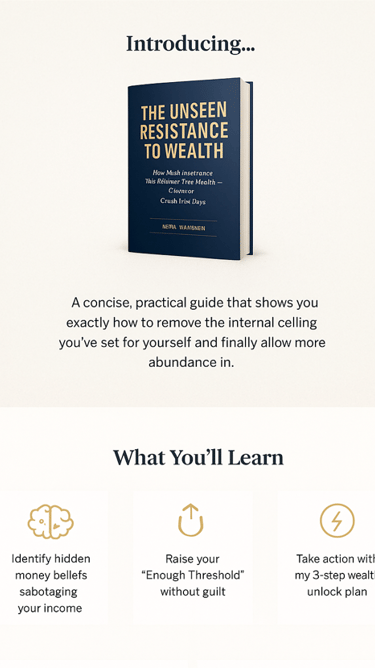
There is a version of this same pattern in the way people relate to their own financial lives — accepting less than they are worth, tolerating conditions that a person who fully valued themselves would not, building a ceiling on how much they are permitted to receive. The Unseen Resistance To Wealth — How Much Is Too Much For You? traces that ceiling to its source. Because the person who stops accepting crumbs in love rarely stops there. [Link]
You do not need a dramatic exit to reclaim your place as a priority. You need something quieter and more difficult — the decision to stop explaining away the evidence your own experience has been patiently presenting.
The signs were never subtle. You were simply too generous with the benefit of the doubt.

Related articles:
Charisma, Character, and Personal Magnetism: Which One Do You Need?
Inside Out 2: Unlocking Levels of Consciousness
Would You Ask Your Worst Enemy for Help to Move Towards Your Goals?
7 Lessons from Wealthy People on Handling Failure with their Self-Concept
Julius Caesar's Magnetic Gaze: Power & Influence
Lazy but Ambitious: The Hidden Psychological Pattern Sabotaging Intelligent People
The Wealth Gap No One Talks About: Why Identity, Not Hard Work, Creates Millionaires
Why Your Self-Concept is Your Net Worth: The Hidden Psychology of Wealth Creation
How I Broke 13 Years of Money Blocks (And Why Most People Never Will)
theworld@inwithin.me
© 2025. All rights reserved.