Your Self-concept Generates Everything: Wealth, Abundance, Love, Relationships...
The Spiritual Trap of Helping Others — When Being the Helper Is the Ego's Most Sophisticated Game
The most sophisticated ego move is not selfishness. It is chronic helping — structured so that the people you help never quite stop needing you.
Tal
8/8/20264 min read


Nobody questions the helper.
That is precisely the point.
The person who is always giving, always available, always the one others call in crisis — this person exists above scrutiny. Their goodness is self-evident. Their virtue is performed in plain sight and applauded continuously. And so the ego, which is nothing if not intelligent, discovered long ago that the most sophisticated disguise available to it is not arrogance or ambition or greed.
It is generosity.
The narcissist savior complex is a pattern where someone constructs their identity around being the rescuer, needing public recognition for their help. Unlike genuine altruism, which finds satisfaction in another's independence, narcissist saviors feel threatened when their victim no longer needs them. Their help serves their ego, not the recipient's wellbeing.
Read that last line with full honesty. Genuine altruism finds satisfaction in another's independence. The ego-driven helper is threatened by it. Because independence in the person being helped means the helper is no longer needed. And being needed — not love, not service, not genuine care — is the actual currency the ego-driven helper is collecting.
This is the trap that spiritual communities, charitable organizations, and intimate relationships fall into with remarkable frequency. The helper who cannot stop helping even when the help is no longer helping. The mentor whose student must never quite surpass them. The generous friend whose generosity arrives with the subtle infrastructure of debt. The parent whose love is structured so that the child never fully develops the confidence to leave. The spiritual teacher whose followers must remain seekers rather than finders.
Narcissist saviors manufacture dependency through cycles of idealization and devaluation — they rescue you from real or imagined crises, making you grateful and indebted. Once dependency forms, they subtly undermine your confidence, isolate you from alternatives, and position themselves as your only source of support.
The manufacturing is rarely conscious. This is what makes the pattern so genuinely difficult to identify and so genuinely damaging to confront. The ego-driven helper is not usually lying to themselves about their motives. They genuinely believe they are good. They genuinely feel the warmth of giving. They genuinely experience their constant availability as love.
What they do not examine — what the spiritual armor of their identity as a helper protects them from having to examine — is the specific satisfaction that arrives when the person they are helping remains in need. The quiet discomfort when someone they have been supporting finds another source of support. The subtle way the help is structured to solve the immediate problem while leaving the underlying capacity undeveloped. The advice that empowers dependence rather than autonomy. The rescue that arrives just before the person would have had to rescue themselves.
Helping others allows them to inflate their ego — some people call this narcissistic altruism. The relationship of a person with savior syndrome can be extremely toxic for both partners — the person being helped may feel infantilized.
Infantilized. Kept smaller than they could be. Not through cruelty — through an excess of help that substitutes for the person's own development of capacity. This is the specific way ego-driven helping keeps people poor — not financially necessarily, but in the deeper sense. Poor in self-trust. Poor in the experience of their own resourcefulness. Poor in the knowledge that they can handle difficulty without a specific person intervening.
People don't learn to seek God directly — instead they learn to come to you. You become the mediator, the one with answers, the indispensable spiritual guide. This is dangerous ground. It is using God-language to feed your ego and control others.
The spiritual dimension of this trap is the most serious dimension, because spirituality provides the most convincing justification. The suffering is reframed as sacrifice. The exhaustion is called faithfulness. The need to be needed is dressed in the language of calling. And the ego, brilliant as always, gets to be both the hero and the martyr simultaneously — the most complete ego satisfaction available to a human being.
Genuine helping looks entirely different. It is directional — toward the other person's independence, capacity, and eventual freedom from needing you. It celebrates when the person it helps no longer needs help. It offers tools rather than solutions, presence rather than rescue, honest confrontation of the person's own resources rather than comfortable substitution of yours.
It is also, significantly, less addictive. Because it does not generate the continuous supply of gratitude, dependency, and significance that ego-driven helping produces. Genuine helping is quieter. Less glamorous. Frequently unrewarded. And it leaves both people more themselves rather than one person more powerful and the other more diminished.
The question worth sitting with — uncomfortably, honestly, without the protection of your history of good deeds — is this: when the person you are helping becomes fully capable and fully independent, do you feel joy?
Or do you feel, somewhere underneath the performed celebration, the quiet loss of something you needed them to keep needing?
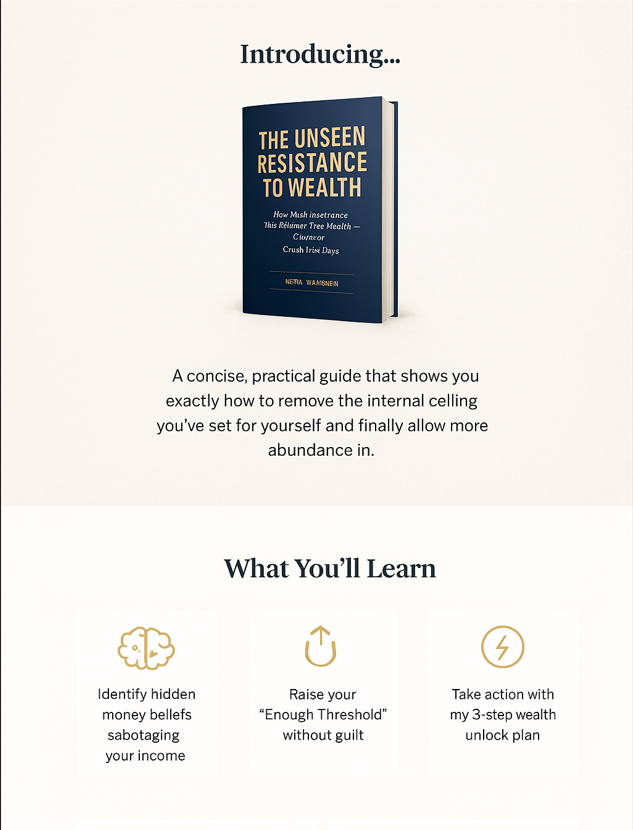
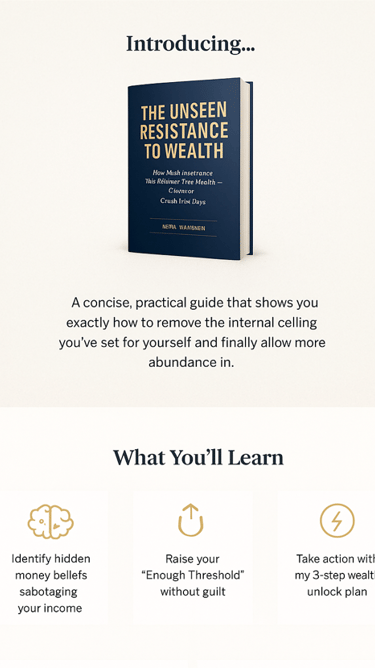
The Unseen Resistance To Wealth — How Much Is Too Much For You? addresses the specific way ego-driven helping functions as a wealth resistance mechanism — the person who gives compulsively to maintain their identity as a giver, who cannot accumulate because accumulation would disrupt the self-concept of someone who sacrifices, who keeps others financially dependent as a way of remaining financially significant. Because keeping others poor is sometimes how the ego keeps itself rich in the only currency it actually values: being needed.
The most generous thing you can do for someone is help them need you less.
Everything else is about you.
Related articles:
Charisma, Character, and Personal Magnetism: Which One Do You Need?
Inside Out 2: Unlocking Levels of Consciousness
Would You Ask Your Worst Enemy for Help to Move Towards Your Goals?
7 Lessons from Wealthy People on Handling Failure with their Self-Concept
Julius Caesar's Magnetic Gaze: Power & Influence
Lazy but Ambitious: The Hidden Psychological Pattern Sabotaging Intelligent People
The Wealth Gap No One Talks About: Why Identity, Not Hard Work, Creates Millionaires
Why Your Self-Concept is Your Net Worth: The Hidden Psychology of Wealth Creation
How I Broke 13 Years of Money Blocks (And Why Most People Never Will)
theworld@inwithin.me
© 2025. All rights reserved.