Your Self-concept Generates Everything: Wealth, Abundance, Love, Relationships...
Why Some Men Use Impossible Standards to Avoid the One Thing They Actually Want
The man whose standards are never met is not looking for perfection. He is avoiding something far more threatening than imperfection.
Tal
8/7/20264 min read


She tried everything.
She changed how she dressed, how she communicated, how she managed her emotions in his presence. She studied his preferences the way someone studies for an exam that keeps changing its syllabus. She became more patient, more interesting, more accommodating, more herself, less herself — cycling through versions of who she was in search of the one he would finally approve of.
The standard kept moving.
Not dramatically, not cruelly enough to be obviously cruel. Just — always slightly out of reach. The goal post relocating quietly every time she got close, leaving her with the specific exhaustion of someone who has been working very hard toward a destination that does not actually exist.
Here is what the research confirms and what most people in this dynamic are never told.
Maladaptive perfectionists reported significantly more fear of intimacy than non-perfectionists. Perfectionistic tendencies affect the likelihood of establishing intimacy — and partner-oriented perfectionism, the tendency to hold one's partner to impossibly high standards, significantly predicted lower levels of long-term commitment.
Lower commitment. More fear of intimacy. From the same person whose standards signal — on the surface — that they simply care deeply about quality. That they have high expectations because they have high values. That the woman who cannot meet the standard is the problem.
She is not the problem. She is the proximity.
The impossible standard is not a destination. It is a specific psychological architecture of a person who wants connection with a desperate, genuine hunger and is simultaneously terrified of what genuine connection requires: vulnerability, imperfection, the risk of being fully seen and potentially found insufficient. The standard keeps the other person close enough to feel the warmth of desire and far enough away that the full exposure of intimacy never quite arrives.
Perfectionism negatively affects intimate relationships and potentially leads to destructive outcomes — with perfectionism consistently associated with relationship distress, conflict escalation, and reduced intimacy.
The man running this pattern is not usually conscious of it. He genuinely believes his standards are reasonable. He genuinely experiences disappointment when they are not met. He is not performing dissatisfaction — he is feeling it, authentically, because the standard is real to him. What he does not see — what he almost never sees without significant external intervention — is that the standard is not a measurement of her. It is a defense against him.
Specifically, against the version of him that would have to be fully present, fully accountable, and fully responsible for a genuine emotional connection with no built-in exit. The impossibility of the standard provides the exit before the entrance is ever fully made.
The fear of failure associated with perfectionism leads to avoidance in addressing relationship issues — this reluctance to confront problems prevents growth and resolution. Partners feel constantly scrutinized or inadequate, damaging intimacy and trust.
What this does to the woman on the receiving end is specific and documented. Partner-prescribed perfectionism predicts increases in sexual anxiety and decreases in sexual esteem over time — women who believed their lovers expected perfection experienced lower self-esteem, higher sexual anxiety, and significant reduction in arousal.
She internalizes what was never hers to carry. His fear becomes her inadequacy. His defense mechanism becomes her self-concept. And the cruelest part of the dynamic is that she is working harder and harder to solve a problem that was never about her — while he remains largely unaware that the problem exists at all, because the standard feels righteous from the inside.
The woman who recognizes this pattern faces a specific and unsentimental choice. She can continue adjusting to a standard that will adjust itself to remain just ahead of her. Or she can name what she has observed — not accusatorially, but honestly — and see whether the man in front of her has the capacity to hear it. Some do. The naming, offered without blame, can be the first genuine moment of contact in a relationship that has been conducted at a careful, standard-maintaining distance.
What She Can Do — In Five Honest Steps
Name it without weaponizing it.
Stop auditioning.
Make the invisible visible — gently.
Refuse to carry his fear as her inadequacy.
Give it a honest deadline — privately.
The hard truth: she cannot fix this for him. She can only create the conditions in which he might finally see it. Whether he chooses to look is entirely his work to do.
Many do not. Because hearing it requires admitting something that the entire architecture of impossible standards was constructed to avoid admitting: that what he is afraid of is not her imperfection. It is his own.
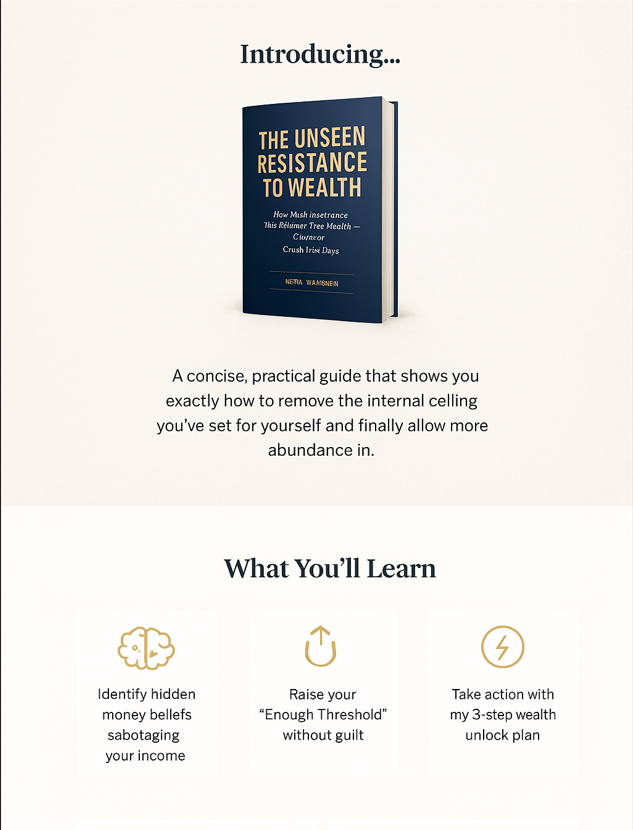
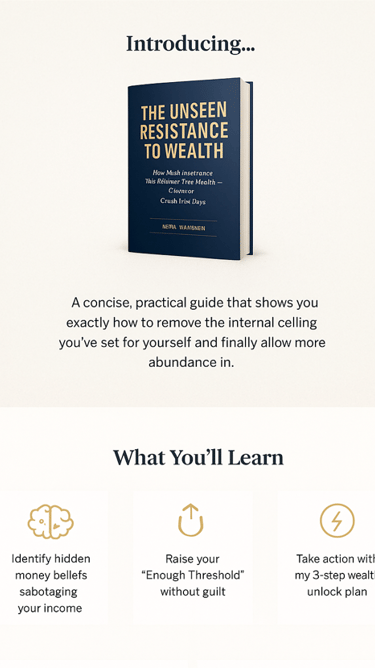
The Unseen Resistance To Wealth — How Much Is Too Much For You? addresses the same mechanism operating in a different domain — the person who sets impossible conditions for financial success, unconsciously ensuring the destination remains just out of reach because arrival would require a different relationship with themselves than the one they currently manage. The impossible standard in love and the impossible standard in wealth are the same self-protection wearing different faces.
The standard was never about her. It was always about what he would have to become if she ever actually met it.
Related articles:
Charisma, Character, and Personal Magnetism: Which One Do You Need?
Inside Out 2: Unlocking Levels of Consciousness
Would You Ask Your Worst Enemy for Help to Move Towards Your Goals?
7 Lessons from Wealthy People on Handling Failure with their Self-Concept
Julius Caesar's Magnetic Gaze: Power & Influence
Lazy but Ambitious: The Hidden Psychological Pattern Sabotaging Intelligent People
The Wealth Gap No One Talks About: Why Identity, Not Hard Work, Creates Millionaires
Why Your Self-Concept is Your Net Worth: The Hidden Psychology of Wealth Creation
How I Broke 13 Years of Money Blocks (And Why Most People Never Will)
theworld@inwithin.me
© 2025. All rights reserved.